
Earth-Side systems
Earth-Side: The Systems That Keep 2460 Alive
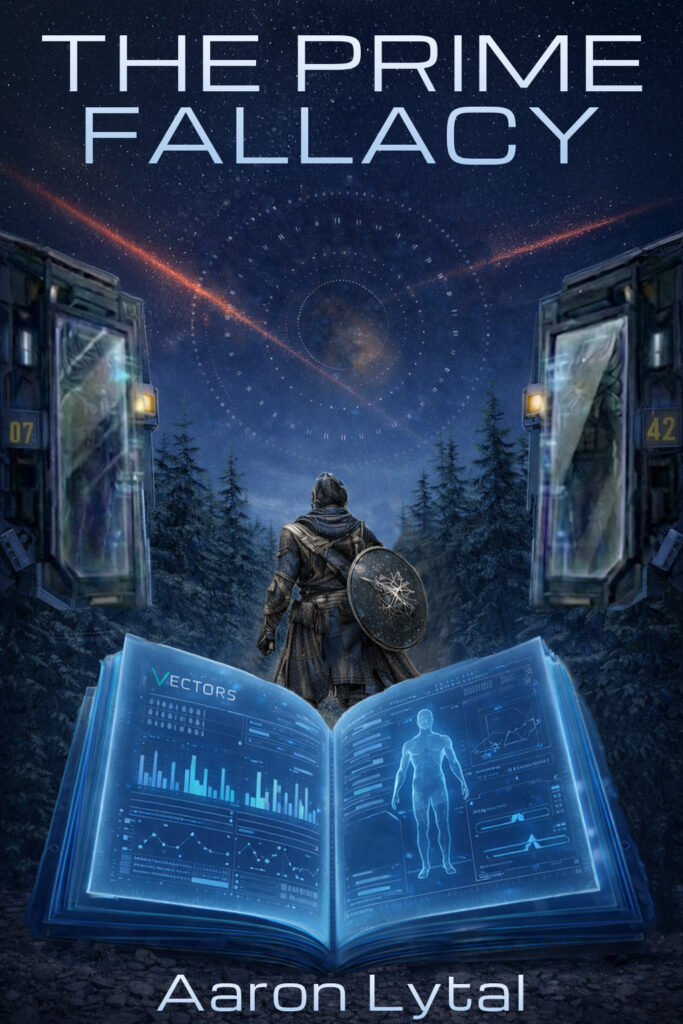
Earth-Side is the future-Earth context behind Book 1: the Shift Program, ARC stasis towers, Gulf City, planetary logistics, and the infrastructure that keeps civilization upright under constant pressure.
Reader-safe systems context
This page explains Earth-side infrastructure and civic systems without direct Book 1 twists. It gives readers the operating model around the story while leaving hidden causes, late-book consequences, and character-specific reveals inside the novel.
Operating Model
Earth-Side in 2460 runs on linked survival systems. Each one looks like public infrastructure from a distance, but each one also shapes status, obligation, risk, and the choices people believe are available to them.
How Earth Got Here
The full chronology belongs on the Timeline, but the Earth-Side model is easier to understand as a chain of pressure, normalization, and civic dependence.
- Resource PanicScarcity, climate pressure, and resource triage push institutions toward centralized coordination.
- Continuity AccordsConsent language, facility standards, and resource rules become normalized.
- Civic ContributionPublic duty, ledgers, and stasis participation become part of daily governance.
- Global ShiftThe survival model scales from policy to civilization-wide operating condition.
- 2460 BaselineEarth continues to function through constant coordination between fragile systems.
Infrastructure Deep Dive
Earth-Side technology matters because it is always practical first. The most important systems are the ones readers can feel pressing on ordinary decisions: heat, water, space, sleep, work, and the records that decide who moves next.
Energy and cooling systems
Power is not just comfort; it is survival capacity, facility uptime, thermal control, and public trust.
Desalination, seawalls, and climate infrastructure
Gulf City exists because hard engineering keeps water, heat, and storm pressure from becoming a daily collapse.
Stasis housing and neural support
ARC towers turn civic policy into physical rooms, schedules, medical interfaces, and maintenance dependencies.
Scheduling, ledgers, and coordination networks
The system survives by deciding who wakes, who works, who waits, and which failures get attention first.
Maintenance risk
Earth's systems look stable because people keep them stable; every reliable interface hides a chain of labor and judgment.
Supporting Context
Systems do not run without people, institutions, habits, and public meaning. These routes keep that context close without turning this page away from its infrastructure focus.
Related Earth-Side Paths
Use these pages as the main reader-safe routes deeper into future Earth, its civic systems, and the language surrounding Book 1.
Start the Story Behind the Systems
Earth-Side explains the pressure. Book 1 shows what happens when those systems meet people, games, survival, and choices that outgrow their original rules.