
Earth-Side systems dossier
Planetary Logistics in The Prime Fallacy
Neural housing, coastal power, cooling, reclamation, automated transit, and maintenance operate as one civilization-scale system. This spoiler-light guide explains how those layers keep future Earth functioning around Book 1.
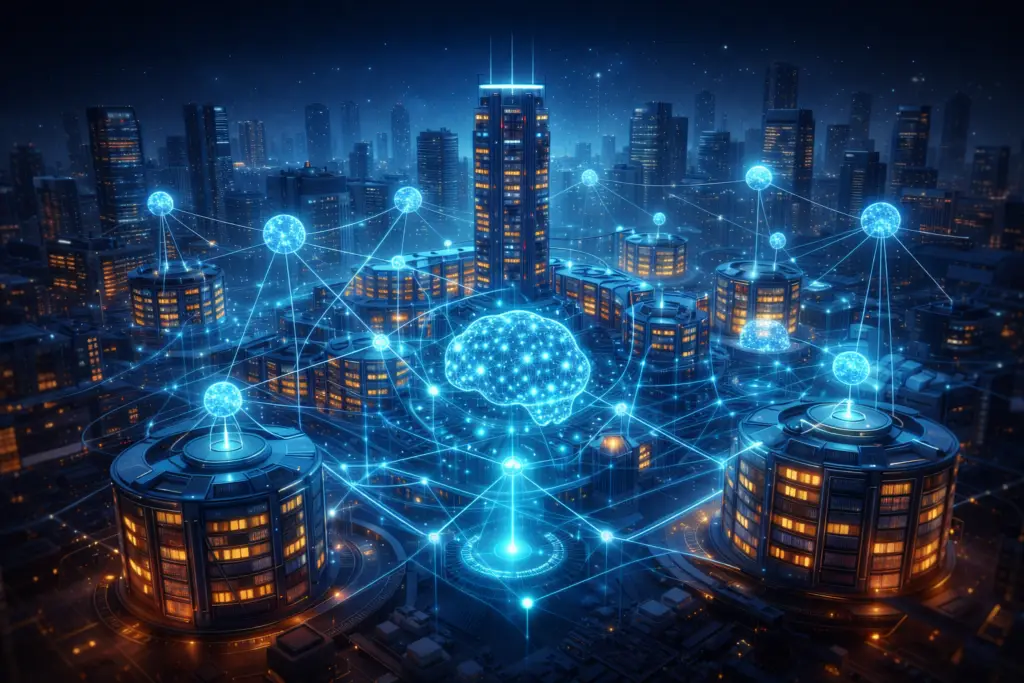
A Reader-Safe Map of the System
The visible machinery is only one layer. Planetary logistics also includes the schedules, allocation systems, audits, and human oversight that connect local infrastructure to Earth-wide needs. For spoiler boundaries, use the Reader Guide; for short definitions, use the Glossary.
Reader-safe scope: this page explains public-facing infrastructure and operating dependencies without revealing late-book causes, character outcomes, or hidden system behavior.
Neural Housing
High-density node clusters sustain individual residential environments while sharing power, cooling, and routing capacity.
Power and Cooling
Coastal energy arrays support thermal control, life-support systems, node stability, and infrastructure that cannot tolerate long outages.
Reclamation
Autonomous units audit, recover, identify, and redirect physical materials so existing resources can reinforce priority systems.
Coordination
Ledgers, routing, automated transit, maintenance windows, and human review turn separate facilities into one operating network.
Neural Housing and Node Management
Neural housing is both a digital environment and a physical infrastructure problem. High-density node clusters must sustain individual residential environments while keeping processing, thermal conditions, and synchronization within safe operating limits.
Each node depends on the wider network. Local controls balance immediate resource use, while shared systems handle power continuity, cooling demand, routing, inspection, and replacement capacity.
Why this matters to the setting
The system can look effortless from the resident side because its complexity is hidden behind stable interfaces. Planetary logistics is the work of keeping that stability real across millions of linked decisions.
The Shift Program explains the public stasis system; this page focuses on the infrastructure and coordination that allow such systems to operate at scale.
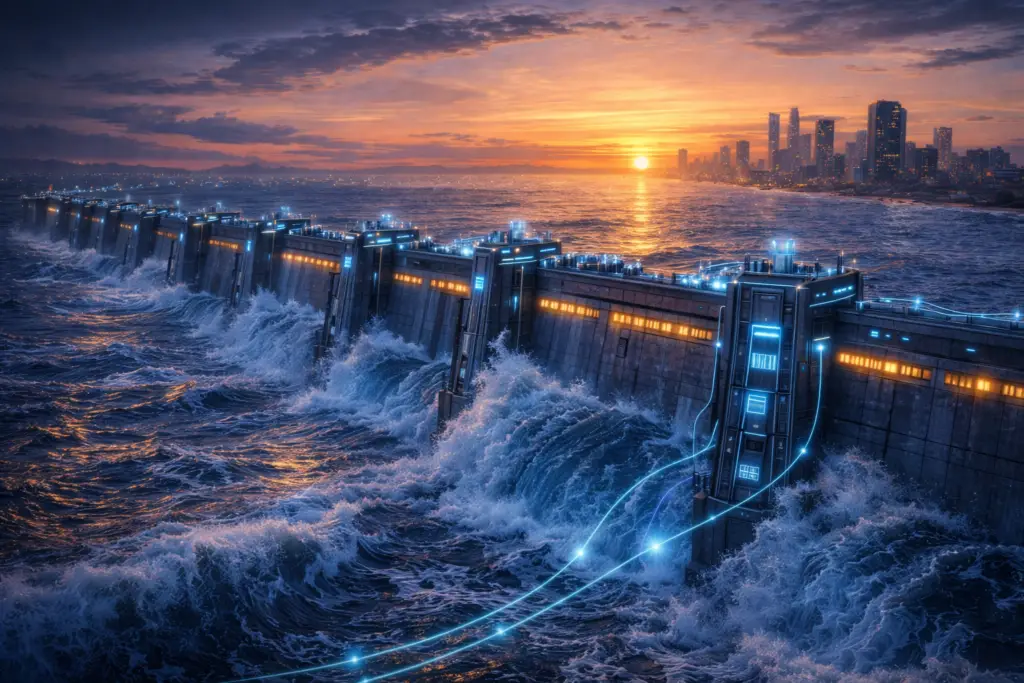
Kinetic Tidal Power, Cooling, and Uptime
Large coastal arrays use tidal movement as a steady energy source. Around Gulf City, wave-dampening and marine infrastructure connect local climate defense to the wider demand for power.
That energy supports more than visible city services. Cooling, life-support, neural housing, routing, and server integrity all depend on reliable capacity and carefully managed load.
The Cities and Infrastructure guide follows these systems at street and facility scale; planetary logistics explains how local capacity connects to the larger network.
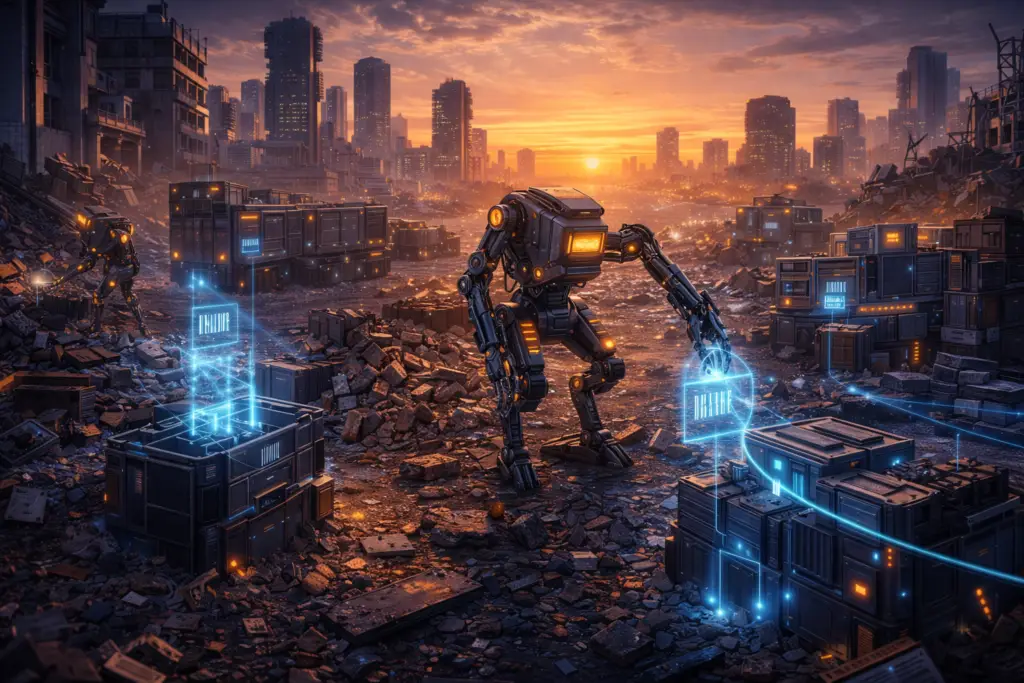
Autonomous Reclamation and Physical Supply
As some urban areas move into lower-occupancy states, distributed reclamation units audit physical resources and recover materials that can reinforce essential infrastructure.
Identification systems track what each asset is, where it came from, and where it can be used. Automated transit convoys then move reclaimed material toward repair, replacement, and construction priorities.
Automation handles repetition and scale, but maintenance, exceptions, and priority decisions still require oversight. A reliable supply chain is a managed process, not a self-sustaining machine.
How Planetary Logistics Moves Capacity
The system operates as a loop. Demand is measured, capacity is allocated, physical resources move, and maintenance feeds new information back into the next decision.
- Measure demandNode loads, cooling needs, facility conditions, and repair queues reveal where pressure is building.
- Allocate capacityPower, routing, maintenance time, and replacement resources are prioritized across linked systems.
- Move resourcesEnergy networks, automated convoys, and supply routes deliver capacity where it can keep the most systems operating.
- Audit and repairInspections, reclamation, exception handling, and human review return updated conditions to the network.
Infrastructure Is Also a Set of Decisions
Planetary logistics is not only machinery. Ledgers, schedules, maintenance rules, and human-in-the-loop oversight decide how limited capacity is distributed—and which failures are treated as urgent.
Priority
Not every request can be served at once. Allocation rules translate public needs and operating risk into an order of work.
Maintenance
Stable systems depend on inspections, replacement cycles, technicians, and planned windows that residents may never see.
Trust
When survival depends on shared infrastructure, confidence rests on whether the system remains understandable, accountable, and reliable.
Related Reader-Safe Paths
Follow the system outward into Earth-Side history and inward toward the cities, facilities, and people living inside it.
See the System Under Pressure
This guide explains how Earth keeps operating. Book 1 follows what happens when large systems, virtual worlds, and human choices stop fitting neatly together.