
Earth-Side system dossier
The Shift Program: Stasis, Survival, and Civic Duty
The Shift Program is Earth-Side's decade-cycle stasis system: a survival response that reduces resource strain, organizes civic duty, and shapes ordinary life in the world around Book 1.
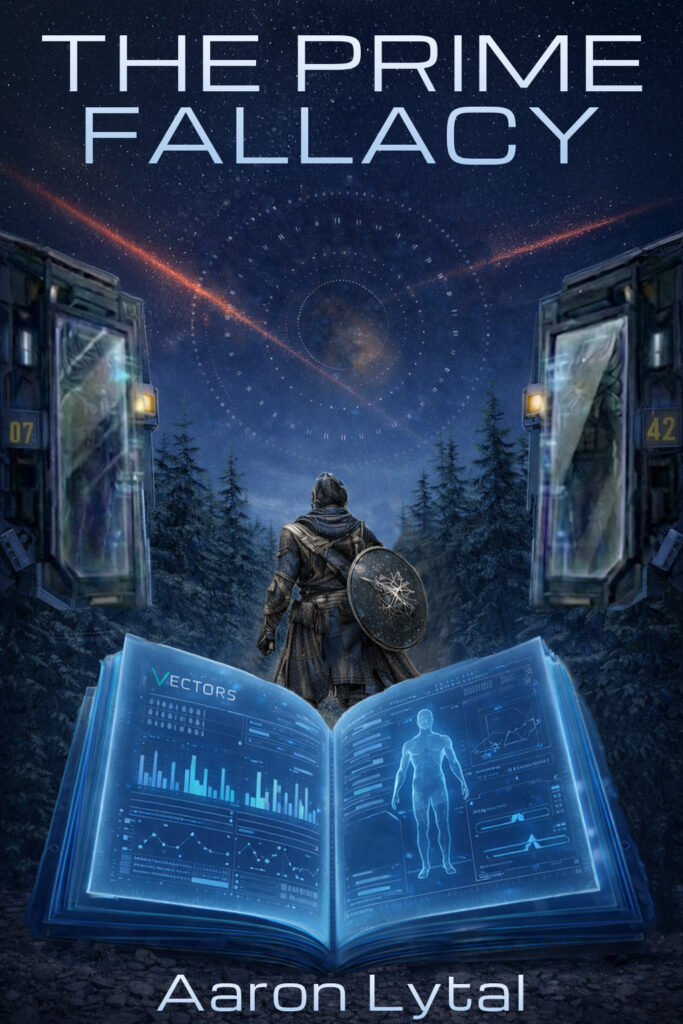
Reader-safe systems context
This page explains the public-facing Shift system, its civic logic, and its social consequences without revealing late Book 1 twists. It is meant to make Earth-Side easier to understand before the novel shows what those systems feel like up close.
What the Shift Does
At its simplest, the Shift places citizens into long stasis cycles so Earth can lower the active demand on food, energy, water, housing, and climate-stressed infrastructure. In practice, it is more than a medical procedure. It is a civic contract that decides who waits, who wakes, who contributes, and how much ordinary life must bend around survival math.
A decade-cycle survival bargain
The standard cycle removes millions of active bodies from the daily resource ledger while preserving identity, family continuity, and the possibility of future participation. That makes the Shift both a relief valve and a pressure system.
- Ten-year stasis cycles reduce the resource load on a strained planet.
- Civic Contribution reframes participation as public duty rather than private choice.
- Family schedules, marriage synchronization, and new births become part of system planning.
- Status and opportunity can be shaped by contribution records and civic tiers.
How It Works
The Shift works because biology, authentication, routing, optimization, and simulated experience are tied into one managed pipeline. These terms matter because they turn abstract policy into bodies, rooms, interfaces, and decade-long experiences.
How Earth Got Here
The full history belongs on the Timeline, but the Shift is easier to understand as a series of thresholds: emergency logic becoming infrastructure, infrastructure becoming law, and law becoming daily expectation.
- Resource PanicScarcity, climate pressure, and ecological strain push institutions toward centralized survival planning.
- Waking Micro-ShiftsEarly trials show the limits of partial participation and the cost of keeping exhausted populations functional.
- Tardigrade BreakthroughLong-term suspension becomes technically viable, making the Shift a practical planetary option instead of a theory.
- Continuity DeferenceFamily and marriage synchronization become part of the system's social-stability logic.
- Civic Contribution ActStasis participation is formalized as civic duty, tying personal time to public survival.
- Mandatory CNIInterface adoption becomes part of participation, routing, and governance for residents old enough to enter the system.
- 2460 BaselineThe Shift is no longer an emergency measure. It is part of how Earth functions.
The Human Cost
The Shift helps Earth survive, but it also turns time, duty, and trust into managed resources. That tension is why the program matters as more than background lore.
Family Scheduling
Continuity Deference keeps families and married couples synchronized where possible, but it also makes private life dependent on system permission.
Civic Tiers
The Ladder System ties status and opportunity to contribution records, making survival participation part of social mobility.
Black-Box Trust
When scheduling logic cannot be fully inspected, citizens are asked to trust a system that controls years of their lives.
Resistance Pressure
Groups such as Stitch Local 414 and the Linebreakers reveal the fracture line between civic survival and consent.
Related Earth-Side Paths
The Shift is one part of Earth-Side's operating model. These pages give the surrounding context without forcing every system onto one page.
Start the Story Behind the Shift
The Shift explains the pressure. Book 1 shows what happens when stasis, games, civic duty, and survival systems meet people whose choices do not stay inside the plan.