
Author recommendation guide
Books for Fans of LitRPG, GameLit, and Progression Fantasy
If you are looking for LitRPG, GameLit, or progression fantasy books with story-first systems, earned surprises, clever problem-solving, and humor, these are some of the books and series that shaped my taste as the author of The Prime Fallacy.
These recommendations are my personal opinions as Aaron Lytal, author of The Prime Fallacy. This page is not an official ranking, endorsement exchange, or affiliation with any mentioned author, publisher, or series.
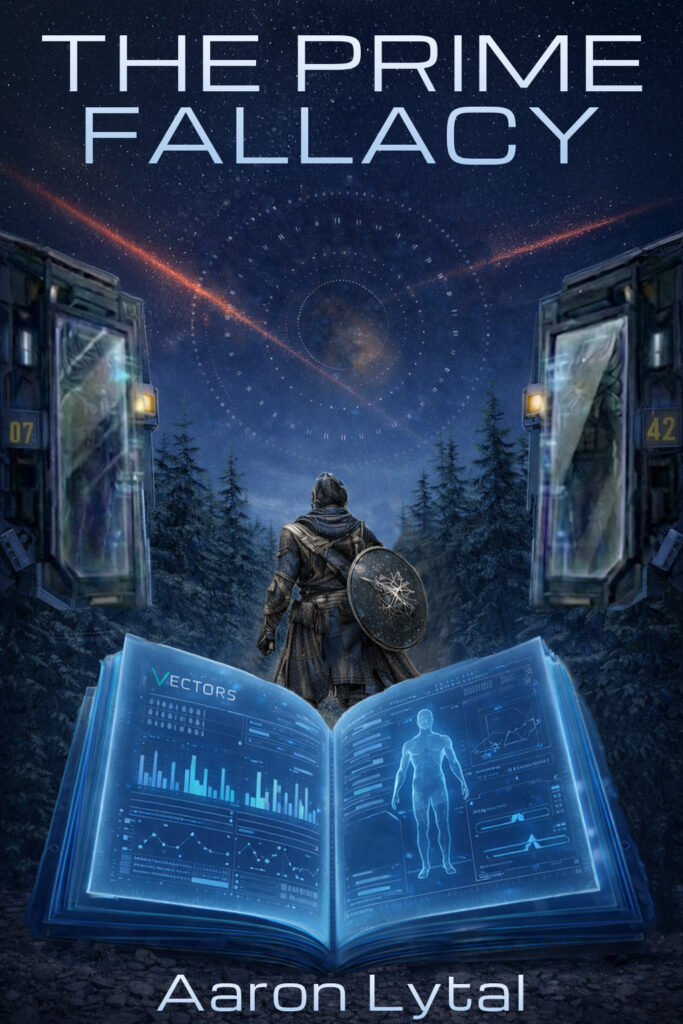
What I Look For In LitRPG And Progression Fantasy
For me, the story has to come first. Stats, skills, classes, item screens, and systems can be a great wrapper, but without a strong story or idea underneath them, the mechanics do not matter much. I like creative systems and familiar D&D-style systems equally when they work with the characters instead of replacing them.
Story first
The system should raise the stakes, sharpen choices, or reveal character. It should not be the whole reason the story exists.
Systems that fit
I like mechanics when they feel native to the world, whether they are familiar RPG rules or something stranger.
Earned surprises
I love not knowing how someone will win, as long as the answer is clever instead of arbitrary.
Problem-solving
Unique solutions are more satisfying than direct paths where the ending feels obvious from the first move.
Good humor
Humor can make danger hit harder and characters feel more alive when it grows out of the situation.
Books That Shaped My Taste Early
Before I found LitRPG, I came to speculative fiction through the kinds of books that make a reader want bigger ideas, bigger worlds, and characters who have to think their way through impossible situations.
Ender's Game
This was my favorite book from childhood and the book that pulled me into science fiction. The strategic problem-solving and pressure on a young protagonist stayed with me.
The Lord of the Rings
This helped define fantasy for me: history, danger, friendship, old powers, and a world that feels much larger than the immediate plot.
Harry Potter
This gave me another route into fantasy: discovery, school-life structure, character bonds, and the sense that the world has hidden rules worth learning.
My Gateway Into LitRPG
Ritualist by Dakota Krout was the first LitRPG book I read, and The Completionist Chronicles helped the genre click for me. It showed me how explicit game systems could change the feel of fantasy progression without abandoning the fun of character choices, builds, and consequences.
That gateway matters because it is easy to describe LitRPG as "fantasy with stats," but the genre works best when those stats create pressure, opportunity, limitation, and surprise.
Modern LitRPG And Progression Fantasy I Recommend
This is not meant to be a complete genre canon. It is a personal shortlist of books and series I connect with as a reader and author.
Dungeon Crawler Carl
I recommend it for the humor, audio performance, creative chaos, clever survival, and good twists. The audiobook adds another layer to the timing and character work.
The Primal Hunter
This is a good example of an overpowered main character handled correctly. I enjoy the humor, the momentum, and the interesting characters around the progression.
Warformed: Stormweaver / Iron Prince
This scratched the itch of my old favorite, Ender's Game, mixed with LitRPG and progression fantasy energy. The characters are strong, and the story leaves enough possible outcomes to keep me guessing.
Reborn: Apocalypse
One of the first time-regression stories I read. I liked the idea of a hero reliving life and watching changes ripple outward through a butterfly effect. For me, the audiobook worked better than the prose experience.
The Completionist Chronicles
Especially Ritualist, this series matters to me because it was my first real step into LitRPG. It helped show why explicit systems can be fun when they shape the journey.
He Who Fights With Monsters
I would point readers here if they like a strong voice, humor, unusual powers, and a main character who is memorable enough to make the world feel distinct.
Why Audiobooks Matter To Me
After listening to Dungeon Crawler Carl, it became tough for me to do much other than audiobooks for a while. A strong narrator can add timing, humor, and character texture that changes the whole experience.
Audio also fits my real life. With two kids, three dogs, and a business, I do not always have time to sit down and read. Listening while driving, working, and moving through the day lets me stay connected to stories even when life is full.
The Prime Fallacy does not have an audiobook yet. My plan is to start audiobook production after Book 2 is released, but there is no audio release date or availability to announce right now.
Where The Prime Fallacy Fits
I wrote The Prime Fallacy from the same taste profile I bring to these recommendations: story first, systems as a wrapper, and mechanics that matter because they change what characters can do, what they believe, and what problems they can solve.
Book 1 is built for readers who like LitRPG and GameLit elements, but who still want the larger idea to carry the book. The stats, skills, systems, Dens & Wyverns structure, and science-fantasy pressure are there to support character, stakes, humor, and earned surprises.
Try The Prime Fallacy Book 1
If your favorite LitRPG and progression fantasy stories put story first, use systems to sharpen choices, keep humor alive under pressure, and reward clever problem-solving, Book 1 was written with that reader in mind.